Different Surfaces. Same Controls.
Endpoints, homegrown agents, cloud platforms, and inside SaaS. No single solution covers them all - until now.
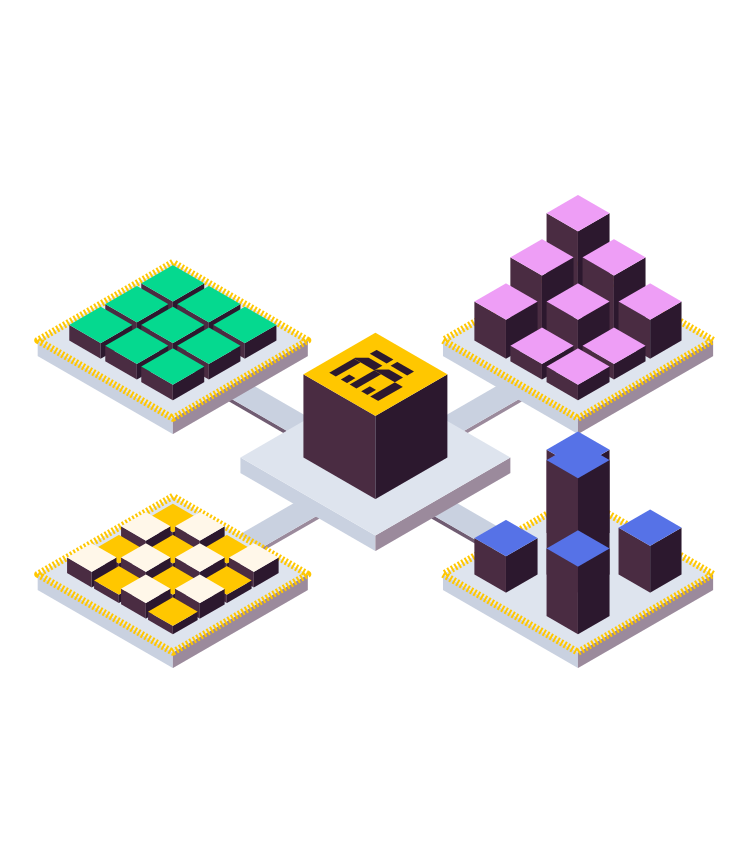
Endpoints, homegrown agents, cloud platforms, and inside SaaS. No single solution covers them all - until now.
You only get real coverage when identity, intent, and execution are read in one place, across every endpoint, node, and surface.
 CrowdStrike
 SentinelOne
 Jamf
Your EDR reads individual file events. Each one looks benign. The session is invisible.
You see the whole session: every prompt, every MCP server connected, every package installed, and the intent linking them.
 Zscaler
 Splunk
Gateways score traffic one prompt at a time, blind to the context chain the agent holds.
You see the whole chain, so an agent drifting from its spec gets called out.
 Okta
 Microsoft
Identity checks who may access what. It can’t tell you from your agent.
Endpoint, network, and identity resolve into one context graph, at the speed your agents move.
You get discovery, detection, and containment on every surface, from one platform.
All agents · MCPs · skills · tools
100+ agents, MCP skills, and tools orchestrated around your environment
Detection cascade
Real-time data ingestion from endpoint, browsers, agents, and cloud
Runtime guardrails & kill switch
Adaptive policy enforcement, behavioral guardrails, and autonomous intervention
Context graph and timeline
Endpoint Sensor
 Claude
 Codex

 Cursor
Browser Extension
 Chrome
 Microsoft Edge
 Firefox
Agent SDK

 Amazon Bedrock
 Microsoft Azure
 Google Cloud
SaaS Connector
 Slack
 Microsoft Teams
 Salesforce

 GitHub
Hive writes the runtime guardrails that harden an agent before an attack, and builds a memory of your estate. What it learns about your agents, teams, and patterns compounds, so its recommendations get sharper the longer you run it.
Rules and signatures for the attacks that are already known, enforced at the surface where the agent runs, at agent speed.
Five steps to take control.
Step 1
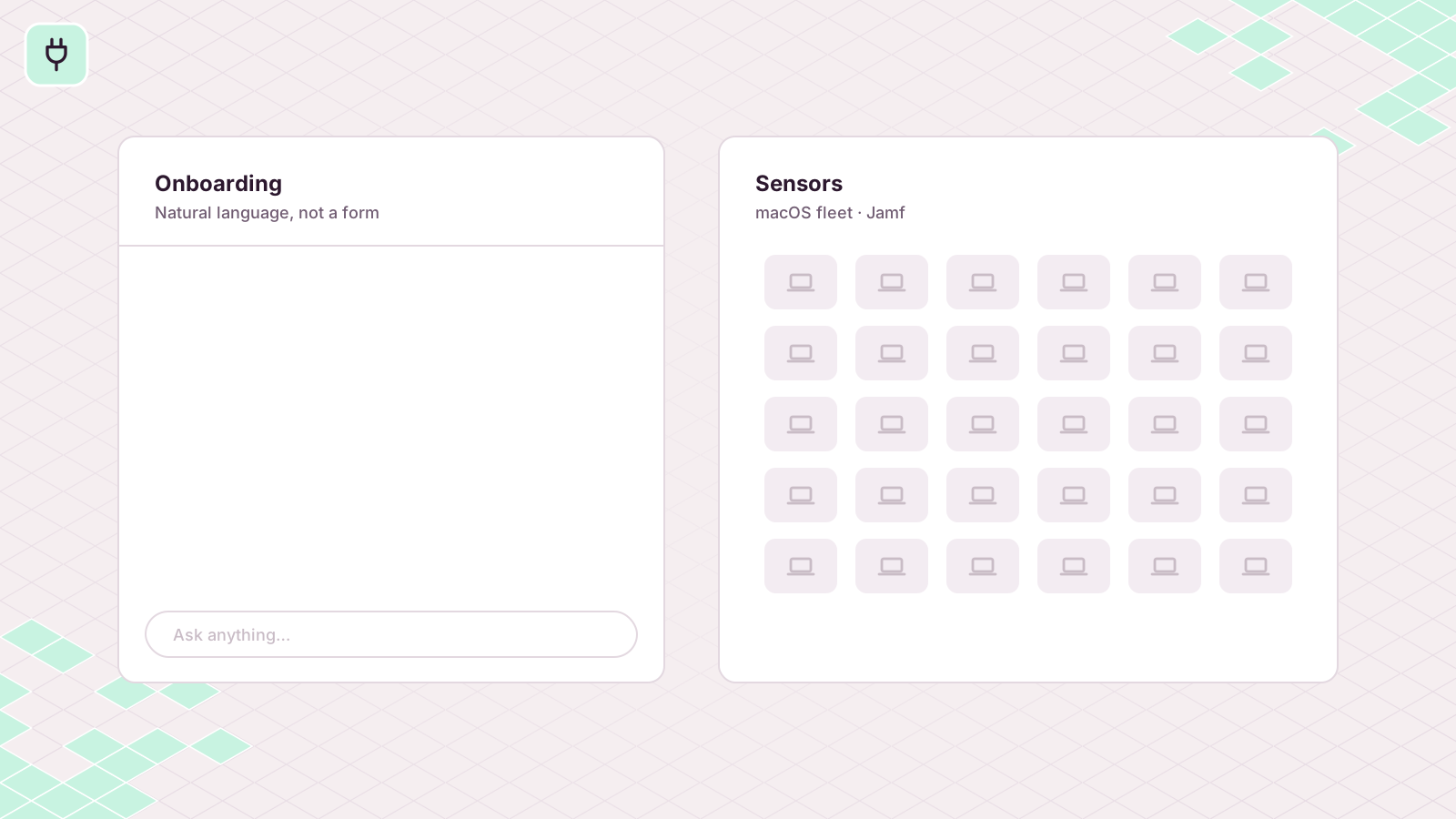
Onboarding is a conversation in natural language, not a form. Connect your MDM, deploy sensors, and each one activates on install: no scan, no endless configuration.
Step 2
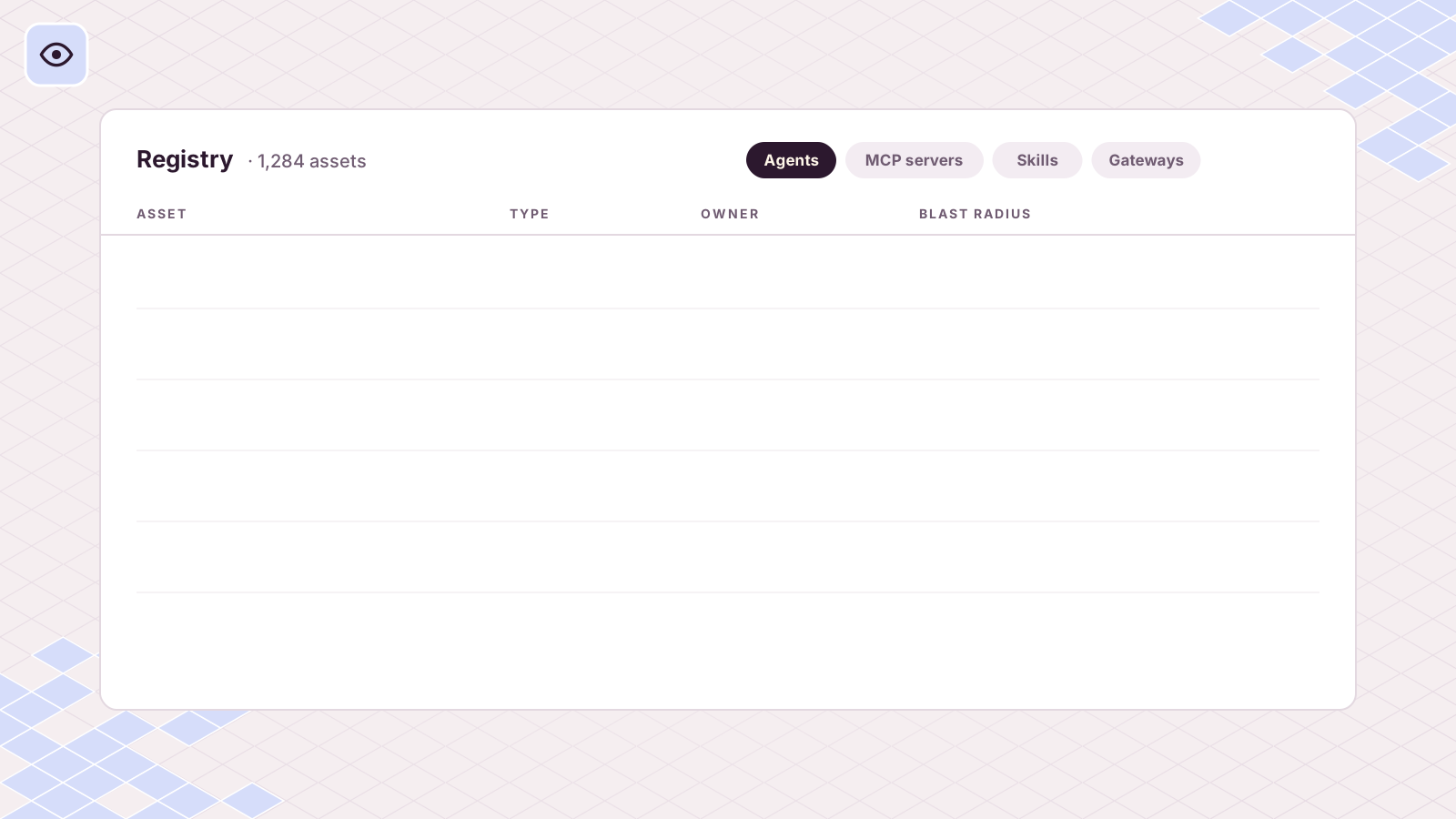
Agents, coding assistants, MCP servers, gateways, and skills, including the ones nobody registered. Then the blast radius from one command: over-permissioned agents, lethal-trifecta exposures, and full autonomy, ranked.
Step 3
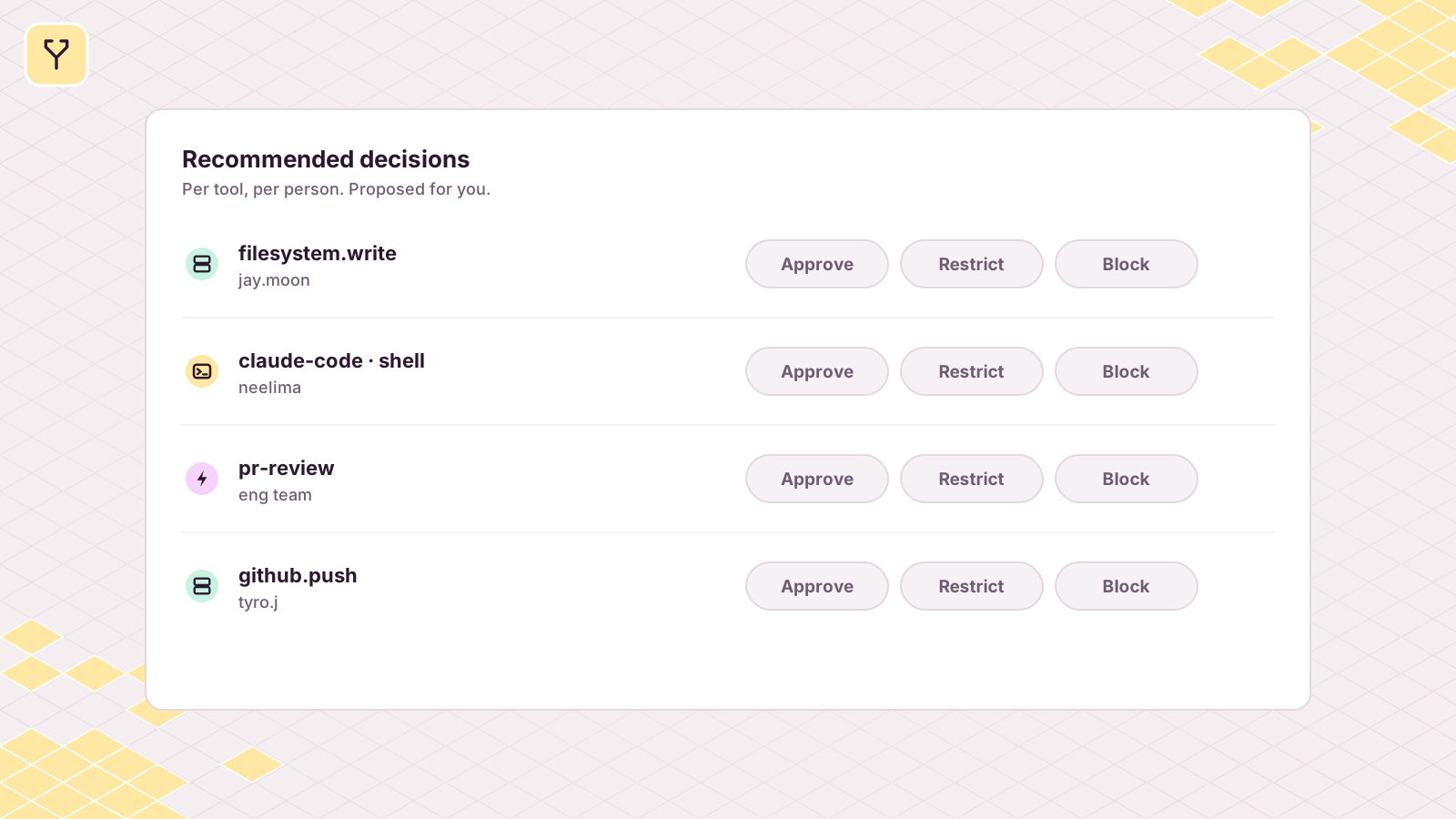
Approve, restrict, or block, per tool and per person. A recommendation engine proposes each decision for you.
Step 4
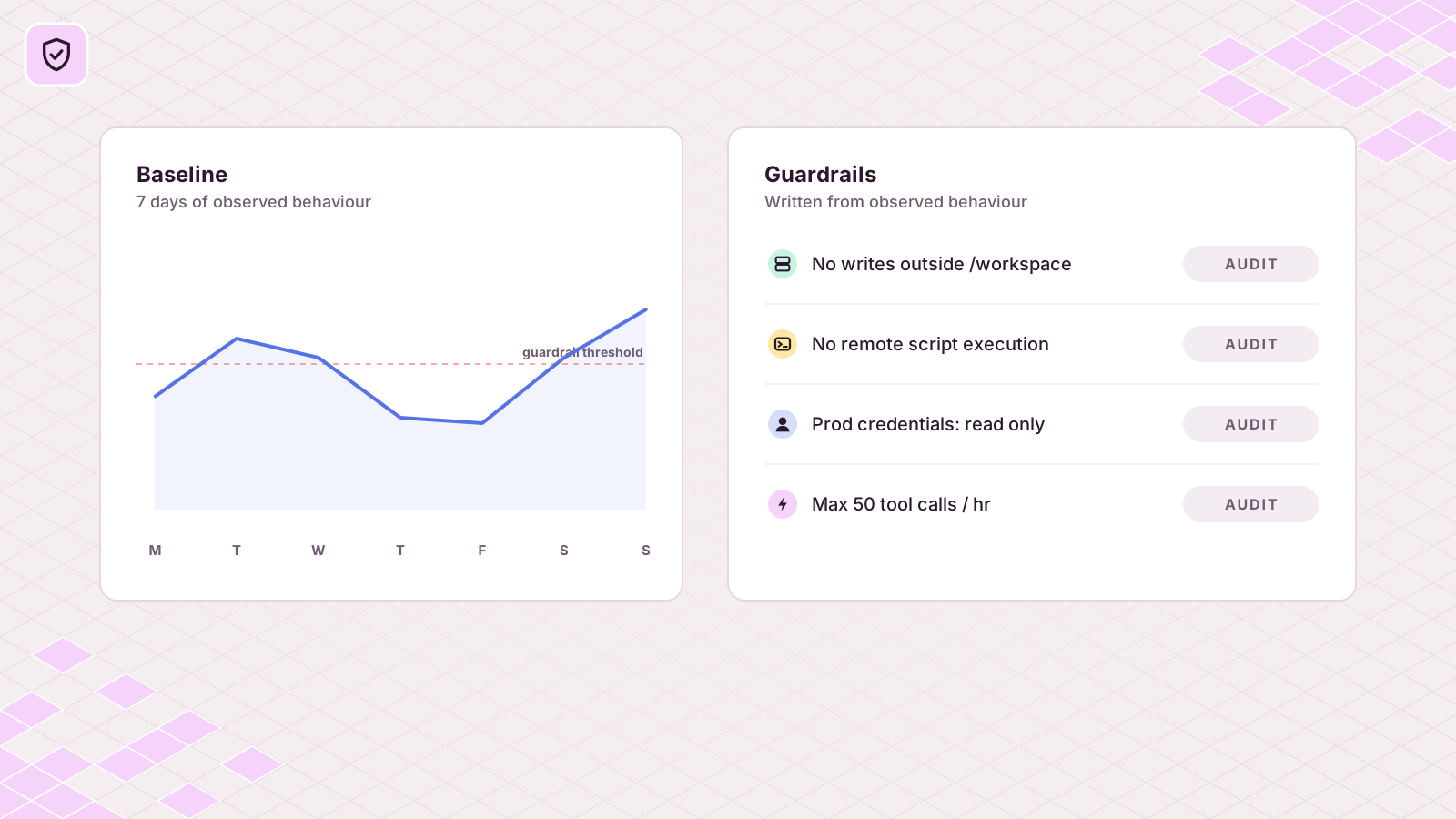
A week of baselining, then runtime guardrails written from each agent’s observed behavior. Audit mode first, then enforce one control at a time. Full inline enforcement takes one line of the SDK.
Step 5
Every detection carries its evidence, mapped to MITRE ATLAS and the OWASP Agentic Top 10: the session, the identity, the data path, replayable in order.
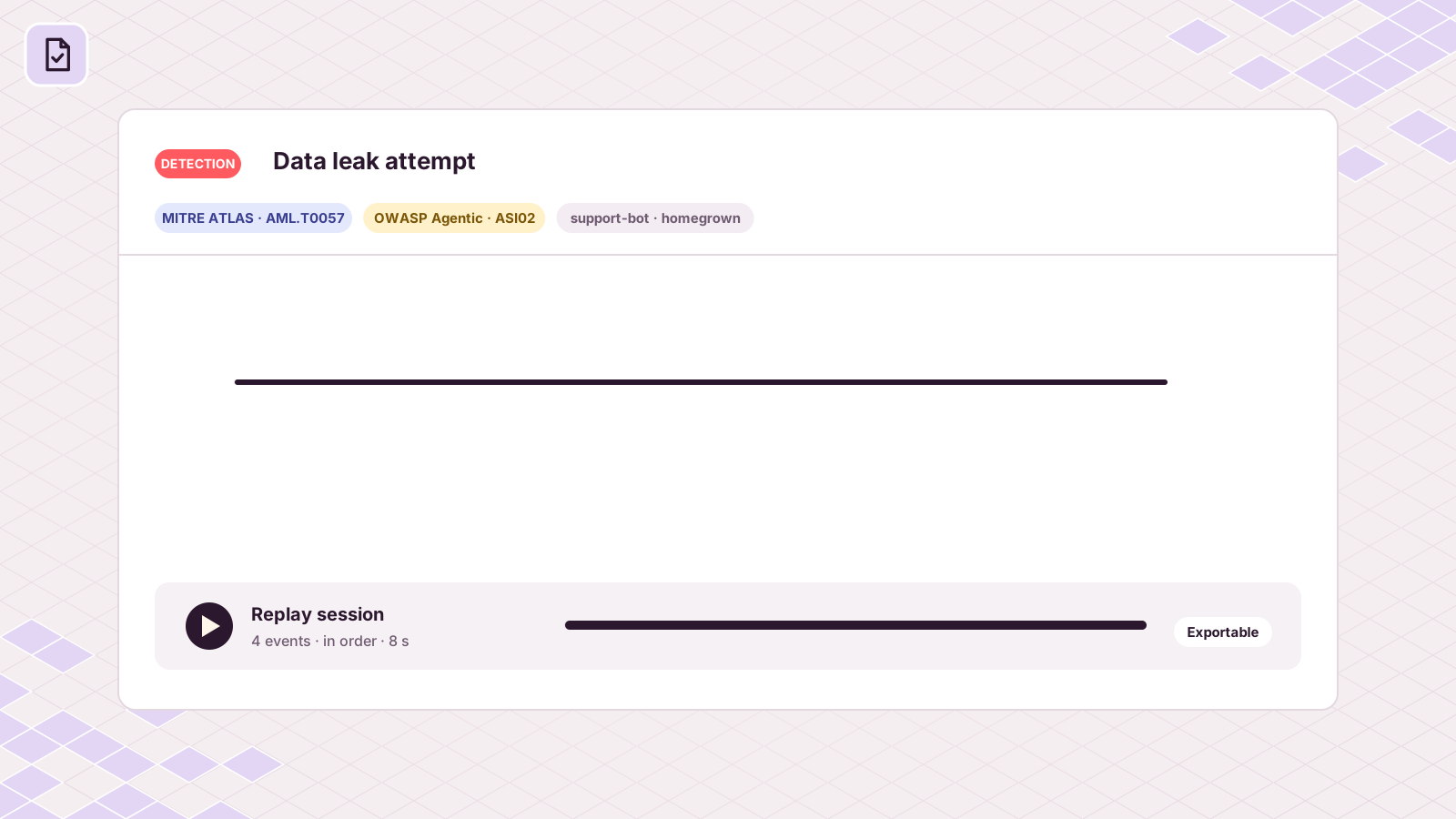
Detections arrive mapped to MITRE ATLAS and the OWASP Agentic Top 10, evidence attached, and events leave in OCSF for Splunk or any SIEM that speaks it.
Up and running in less than 30 minutes.